
FAQ’s
-
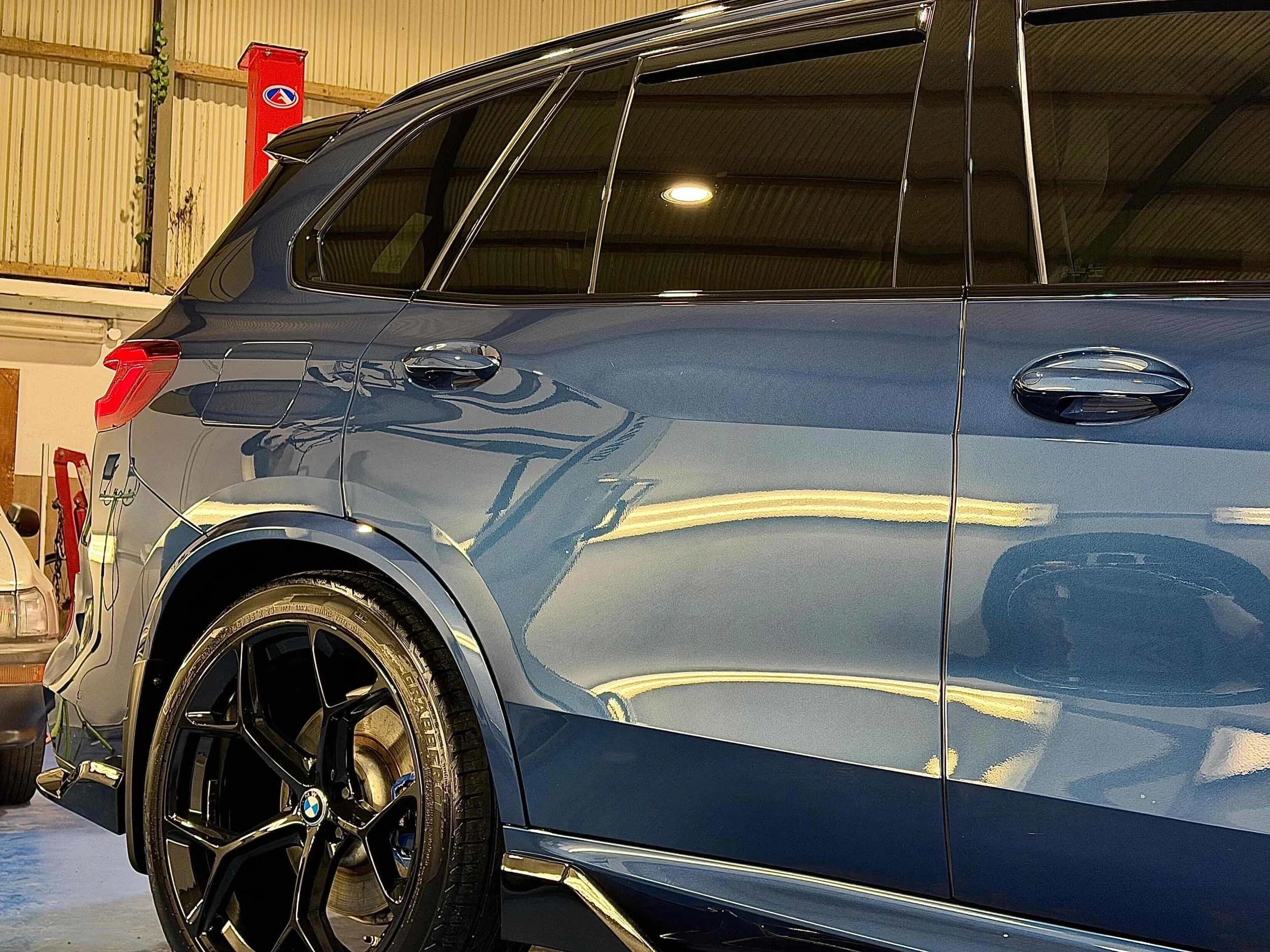
Paint correction is the process of safely restoring your vehicle’s paintwork by removing swirl marks, light scratches, oxidation, and other imperfections. Over time, poor washing techniques, automatic car washes, and everyday use leave the paint looking dull, scratched, and lacking depth. Paint correction uses machine polishing to refine the surface, revealing a clean, high-gloss finish underneath.
-
Most vehicles achieve 80–90% defect removal depending on condition. The goal is a major improvement in gloss, clarity, and overall finish while preserving the long-term health of your paintwork.
-
Removes the majority of swirl marks and surface defects.
Restores deep gloss, clarity, and reflection.
Enhances colour depth and overall finish.
Dramatically improves the appearance of your vehicle. -
Standard valeting only cleans the surface — it does not fix the paint. Paint correction goes beyond cleaning. It permanently improves the condition of the paintwork, bringing it back to a level that looks significantly better than before.
-
A ceramic coating is a liquid-applied protective layer that bonds to your vehicle’s paintwork, forming a durable barrier against everyday elements. It enhances the finish while helping to protect the paint from dirt, road grime, and environmental contamination, keeping the vehicle cleaner and easier to maintain.
-
Enhances gloss, depth, and overall finish Adds long-term protection to the paintwork Creates a hydrophobic surface – water and dirt slide off more easily Makes washing safer and easier Helps maintain the vehicle’s appearance over time
-
Paint correction restores the condition of the paint by removing swirl marks, scratches, and defects. Once the paintwork is corrected, it is at its best — clean, refined, and free from imperfections. Applying a ceramic coating at this stage is essential because it: Locks in the corrected finish Protects the paint from future damage Preserves the gloss and clarity achieved Prevents the paint from quickly returning to its previous condition
-
Paint correction improves the paint. Ceramic coating protects it. Both processes work together to deliver a complete result — restoration followed by long-term protection.